
Why an ALTA Survey Matters Even for Smaller Commercial Buildings
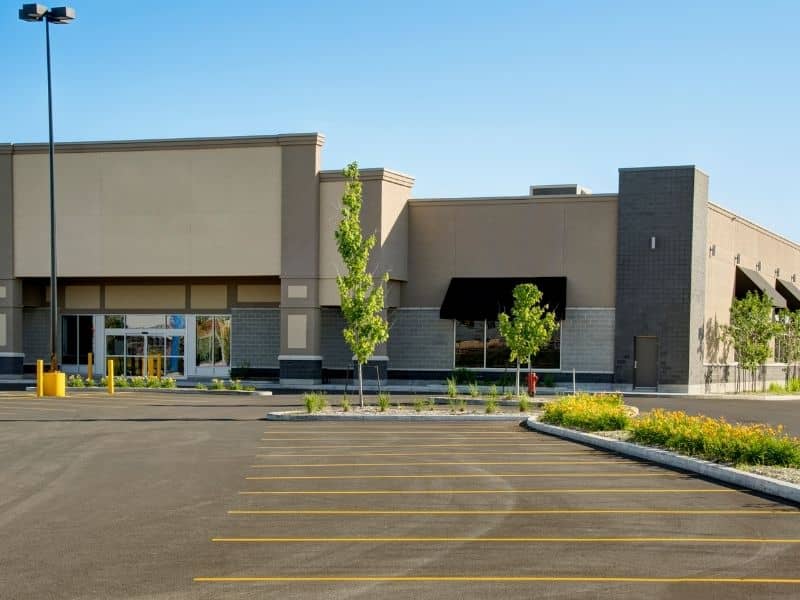
A small office or retail building can look easy to size up. The building is compact. The lot looks tidy. But a modest footprint doesn’t always mean the property behind it is simple. Buyers looking at smaller office, retail, and mixed-use spaces run into this often. An ALTA survey gives a buyer current field information about what sits on the ground, measured and mapped, before the deal closes. The size of the building is only one part of that picture.
A Small Building Can Sit on a Complicated Parcel
Building size and parcel complexity are two different things. A compact storefront can sit on a lot shaped by years of past work. Prior owners may have added a rear room, poured an extra slab, cut a new curb entrance or changed the grade near the back. Some of it went in decades ago. Some of it may not match the plans anyone still has on file.
A field survey checks what’s really there today. It doesn’t rely on memory or on an old drawing that showed the site as it once looked. For a small building, that gap between “how it looks” and “what’s actually there” is easy to miss. A current survey closes it.
The Site Around the Building Can Matter as Much as the Building
On a small retail or office property, the building often covers only a slice of the lot. Parking, drive lanes, walkways, trash enclosures and planted areas can fill most of the rest. Those parts carry real weight for how the property works each day.
A buyer who wants to add a tenant, change the parking count or expand later needs to know how much room the site actually holds. A current ALTA survey measures the paved and open areas, not just the walls. That gives the buyer a true read on the land they’re paying for, which matters most when the site is tight and every foot counts toward how the property can be used.
Older Commercial Properties Deserve a Fresh Look
An old survey in a file cabinet shows the site as it looked back then, not as it stands now. Many small commercial buildings have traded hands more than once. A drawing from a past sale can be years or decades old.
Since that survey, someone may have repaved a lot, added a ramp, moved a fence or built a small addition. Field conditions drift over the years, even when nothing looks dramatic. A new survey checks the property as it is today. That way the buyer works from current measurements, not a dated snapshot. The point here isn’t a fight over lines or a missing record. It’s the plain fact that old drawings age, and buildings and their sites keep changing after the ink dries.
A Clear Survey Can Help Different Professionals Work From the Same Information
A commercial purchase pulls in several people at once. The buyer, the surveyor, the title company, the lender and sometimes an architect or engineer all look at the same property during the review. When each one works from a different sketch or an old file, small gaps turn into questions, and questions turn into delays.
One current survey gives everyone a shared reference. They all measure from the same map and describe the site the same way. That common ground keeps a small deal moving and cuts down on back-and-forth. It also makes it easier for the buyer to ask good questions, because each person on the team is reading the property from the same starting point.
When the Property Is Small, the Decision Still Deserves Commercial-Level Due Diligence
A small office, a neighborhood shop or a mixed-use building can still cost real money. The size of the building doesn’t lower the stakes of the purchase. Buyers should weigh whether an ALTA survey fits the specific deal, based on the property and what the transaction calls for.
Some small properties won’t need one. Others hold enough site detail or history that a current survey earns its place. The smart move is to look at the circumstances first. How much site area comes with the building. How old the last survey is. What the lender and title company ask for. Those questions tell you far more than the footprint alone. The building’s size shouldn’t decide it. The property’s circumstances should.
Frequently Asked Questions
Does the size of a commercial building determine whether an ALTA survey is useful?
No. A building’s size on its own won’t tell you whether an ALTA survey makes sense. What matters more is how the property is put together, what the sale requires and the information a buyer needs while reviewing the deal.
Can a small retail property benefit from an ALTA survey?
Yes. A small shop can still sit on a lot with a fair amount of parking, paving and past changes. A buyer may want all of that measured and mapped before closing, even when the building itself is modest.
Is an ALTA survey only for large commercial developments?
No. People tend to link ALTA surveys with big projects, but the choice should rest on the details of the deal, not the size of the development. Smaller commercial and mixed-use buys can call for one too, depending on the property and the transaction.
