
Why an ALTA Survey Can Prevent Last-Minute Closing Delays
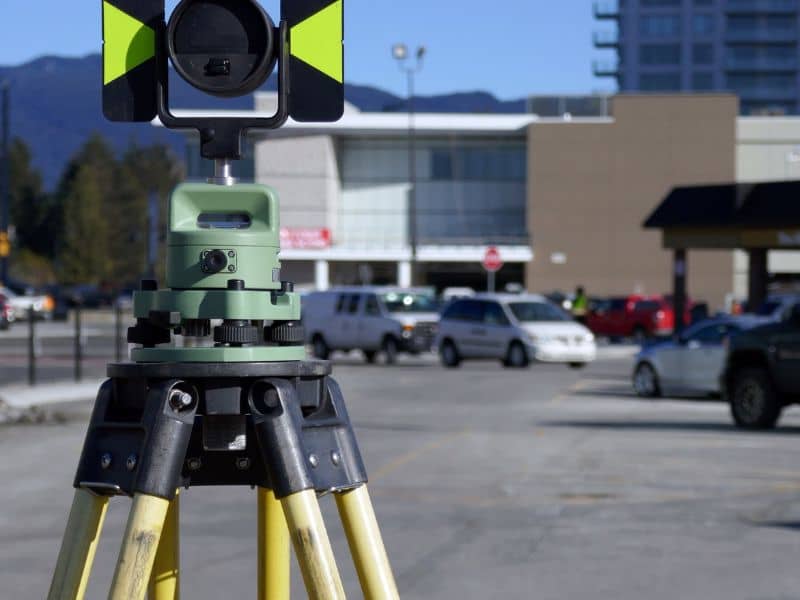
Few things stall a commercial closing faster than a survey problem found in the final week. A missing easement, a parking lot that crosses a property line, or a legal description that doesn’t match the title report can push back a closing date or reopen price talks. An ALTA survey catches these issues early, but only if it’s ordered with enough time for everyone to read it and act on it. For buyers, that means treating the survey as a first step in due diligence instead of a box to check before closing.
Order the ALTA Survey Early in Due Diligence
Field work, record research, and drafting can take several weeks, depending on site size, records, and the surveyor’s schedule. Larger sites and older properties with many recorded documents usually take longer. If your due diligence period is short, call a surveyor the day the contract is signed.
The surveyor can quote and schedule faster with the right papers in hand. Send the contract’s survey terms, the title commitment if it’s ready, and any past surveys of the site. Also share your lender’s survey requirements, including which Table A items they want. Table A is a list of optional items, such as building footprints, parking counts, or utility locations, that the client can add to the survey.
Match Survey Requirements With the Title Commitment
The ALTA survey and the title commitment need to tell the same story. A title commitment is the title company’s report of what it will insure and what it will exclude, with exclusions often listed as exceptions in Schedule B. The surveyor reviews those recorded documents and shows where each easement or restriction falls on the map, if it can be plotted.
Mismatches cause many delays. The survey’s legal description may not match the vesting deed, or an easement may be too vague to locate on the ground. Catching those gaps early lets the title company, the surveyor, and your attorney sort them out before the lender’s deadline.
Make sure the surveyor gets the current commitment and copies of every listed document. If the commitment updates during the deal, send the new version right away. A survey based on an old commitment can miss new exceptions and trigger a late revision.
Identify Access and Easement Issues Before Closing
Access problems are some of the hardest to fix late. An ALTA survey shows whether the property touches a public road or depends on a private easement, and whether driveways line up with what’s recorded. It also shows easements for utilities, drainage, or shared parking, and whether buildings or pavement sit on top of them.
The draft survey is where these issues first show up. Read it with your attorney and title team instead of waiting for the final version. Pay close attention to these items:
- Driveways or parking that cross into a neighbor’s land or a recorded easement
- Buildings, signs, or fences sitting over a utility or drainage easement
- Access that relies on an informal or unrecorded agreement
- Gaps or overlaps between your legal description and a neighbor’s
Each of these can affect title insurance, financing, or future use of the site. Some are minor and can be accepted with the lender’s approval. Others need a recorded easement, a boundary agreement, or a new description, and those take time to draft and sign.
Give Lenders and Title Teams Time to Review
Lenders and title teams need time to read the survey, ask questions, and approve it. Survey requirements can vary by lender, loan type, and property type. A survey delivered two days before closing leaves no room for the comments that almost always come back.
Common comments include changes to the surveyor’s certification, added Table A items, or notes on flood zones, zoning, or setbacks. Each change means the surveyor updates and reissues the drawing. A short comment round is easy when there’s time for it and stressful when there isn’t.
Ask the lender early who reviews the survey and how long they usually need. Share the draft with lender’s counsel and the title company at the same time so comments come in together. One combined round of edits moves faster than several back-to-back rounds.
Resolve Survey Exceptions Before the Closing Deadline
A survey exception is an item the title company won’t cover because of something the survey shows or can’t confirm. If the survey reveals an encroachment or an unplotted easement, the title company may add it as an exception unless it’s resolved. Buyers and lenders often want those exceptions removed or narrowed before they close.
Fixes depend on the issue. Some need an updated survey note, a recorded easement, a neighbor agreement, or a seller affidavit. Your title company and real estate attorney can tell you which options fit your deal, since that work goes beyond the survey itself.
Build a buffer into your schedule for this step. Plan to have a final survey in the lender’s hands well before the closing week. If an exception looks hard to clear, raise it early so you can extend due diligence or renegotiate while the contract still gives you room.
Frequently Asked Questions
What is an ALTA survey?
An ALTA survey is a land title survey done to standards set by ALTA and NSPS. It shows boundaries, improvements, easements, access, and other title-related conditions. Lenders and title companies use it to judge risk before a sale or loan closes. It’s most common for commercial property, though some investment and residential deals use it too.
How long does an ALTA survey take?
Timing depends on site size, available records, and how many Table A items are included. Many surveys take a few weeks from order to delivery, and complex sites can take longer. Review and revisions add time after the first draft. Order the survey as soon as the contract is signed to protect your closing date.
Who orders the ALTA survey?
The buyer usually orders it, though the purchase contract may assign the task or cost differently. The lender and title company often want to be named in the certification. Check your contract and loan terms before placing the order. That way the survey meets every party’s needs the first time.
Can I reuse an existing ALTA survey?
A recent ALTA survey can sometimes be updated instead of redone. Whether that works depends on its age, changes on the site, and what your lender and title company will accept. Many lenders want a survey certified to them with a recent field date. Ask the original surveyor about an update and confirm with your lender before counting on it.
What happens if the survey shows an encroachment?
An encroachment means something crosses a boundary or sits on an easement. The title company may list it as an exception, and the lender may ask how it will be handled. Options can include a recorded agreement, a new easement, or accepting the risk with lender approval. Talk with your attorney and title team early so the fix doesn’t hold up closing.
